


When Your Mind Gets Loud at Night
I built Myndo for the 11pm moment most tools fail you
When Your Mind Gets Loud at Night
There's a specific moment I keep coming back to. It's the reason Myndo exists, and honestly, it's a little embarrassing how precisely I can describe it.
It's 11pm. Maybe later. You're in bed, or on the couch, or — and this is the one I know best — standing in the kitchen with the lights off, eating cereal out of the box like a raccoon who just discovered pantries. The day is over. Your body knows this. Your brain, unfortunately, did not get the memo.
Instead, your brain is running a full retrospective on that conversation from 3pm. The one where you said "sounds good" when what you meant was "I fundamentally disagree with everything you just said but I'm too tired to explain why." And now, six hours later, now your brain has the perfect response. Thanks, brain. Very helpful.
This is the moment I built Myndo for.
The 11pm gap
I noticed something a few years ago that bothered me. There are roughly a thousand tools for when you're already in a good headspace — meditation apps that need you centered before you start, journals that work great when you can form coherent sentences, therapy that's available when the calendar says so.
But there's almost nothing for the window between "I'm fine" and "I need professional help." That vast middle territory where you're not in crisis, you're just... tangled. Your mind is doing that thing where it takes one thought, connects it to seventeen others, and presents you with a conspiracy board of anxieties that would make a detective drama proud.
I kept asking: what if there was something for right now? Not next Tuesday at 3pm. Not when you've had your morning tea and feel contemplative. Right now, when you're messy and half-formed and standing in your kitchen at 11pm wondering why you said "sounds good."
Why talking changes the equation (and typing doesn't)
Here's a thing I stumbled into that surprised me.
When your mind is loud, a blank text box is a terrible interface. It's asking you to do the hardest version of the thing you need: organize chaos into written sentences. It's like asking someone who can't find their keys to please fill out a detailed form about where they last saw their keys.
But talking? Talking is different. You just... start.
"I don't know, I just feel off. Today was fine but something about that conversation with Sarah—"
That's it. That's a real start. You don't need to know what the problem is before you begin. You don't need a thesis statement. You just need to hear yourself say the thing that's been circling.
I've noticed — and this still fascinates me — that there's a physical difference between thinking a thought and speaking it. When the thought is in your head, it's slippery. It connects to everything. It's the whole conspiracy board at once. But when you say it out loud, it becomes one thing. You can look at it. You can hear what you actually said versus what you thought you believed.
Sometimes I'll say something to Myndo and immediately think, "Wait — is that what I actually think?" And that moment of surprise is where the clarity lives.
What actually happens when you talk to Myndo at 11pm
I should probably explain what this looks like in practice, because "AI voice coach" makes it sound either more complicated or more robotic than it is.
You open the app. You tap start. You say whatever comes out.
Then a few things happen that are different from talking to a generic AI or even talking to a very patient friend:
It doesn't rush you. If you pause for thirty seconds because you're trying to find the right word for what you're feeling, Myndo waits. It doesn't fill the silence with "tell me more about that." Silence is allowed to be silence. This sounds small. It isn't.
It remembers. This is the part that still surprises me, even though I built it. If you talked about a pattern two weeks ago — say, the way you tend to over-explain yourself when you feel judged — and tonight you're describing a conversation where you spent ten minutes justifying a decision nobody questioned, Myndo connects those threads.
It might say something like: "You've noticed before that you tend to explain yourself more when you feel uncertain. Is that what's happening tonight?"
That single question is worth more than an hour of solo rumination. Because it gives your loud brain something specific to grab onto instead of spinning through the whole conspiracy board.
It helps you land. Not on a five-step plan. Not on a framework. On one honest thing. Maybe it's "I'm going to tell her what I actually need instead of hinting." Maybe it's "I'm going to stop trying to solve this tonight." The point is you close the app with something concrete instead of a cloud of noise.
Most of my sessions are five to ten minutes. Some are two. A few have been forty. The length doesn't correlate with the value — some of the most clarifying conversations I've had were under three minutes.
The thing about continuity
Here's what I didn't expect when I started using Myndo regularly: the single conversations are good, but the accumulation is where the magic is.
After a few weeks, patterns start emerging that you genuinely could not see from inside them. "You've mentioned feeling like you're performing calm at work five times this month." "This is the second time you've described putting someone else's comfort ahead of your own needs and then feeling resentful about it." "Three weeks ago you decided to be more direct. And you were, twice."
It's like having a running tab on your inner life — not in a surveillance way, but in the way a really good coach would. The kind who remembers what you said in February when you're contradicting it in April, and gently asks about the gap.
I didn't build this because I thought AI should replace human connection. I built it because I noticed that the 11pm version of myself needed something that existed between "figure it out alone" and "bother someone about it." Something private, something patient, something that would still remember next week.
What Myndo isn't (and why that matters)
I want to be direct about this because the internet is full of AI products making big claims with small print.
Myndo is not therapy. It's not a therapist. It's not a substitute for professional care. If you're in a place where you need real support from a real person, please get it — and Myndo will point you in that direction if it senses that's what's needed.
What Myndo is for is the vast majority of difficult inner moments that aren't clinical. The hard conversation you're dreading. The decision you keep flip-flopping on. The Sunday night feeling of not being ready for Monday. The 11pm raccoon-in-the-kitchen moment.
Those moments deserve a better tool than scrolling, stewing, or hoping sleep will fix it.
An invitation for your next loud night
Next time your brain decides to run its midnight board meeting, try this: instead of negotiating with the noise, just open Myndo and start talking. Don't organize your thoughts first. Don't have an agenda. Just say whatever's circling.
Give it five minutes. See what comes back.
I think you'll find that the act of speaking — of hearing yourself say the thing — is already half the solution. The other half is having something that listens, remembers, and helps you land on one honest next step.
Your mind gets loud. That's not a bug. It's a signal that something needs to be heard.
Myndo is the place to hear it.
Samudra is the founder of Myndo. He still eats cereal in the dark sometimes, but now he talks about it afterward.
Related posts
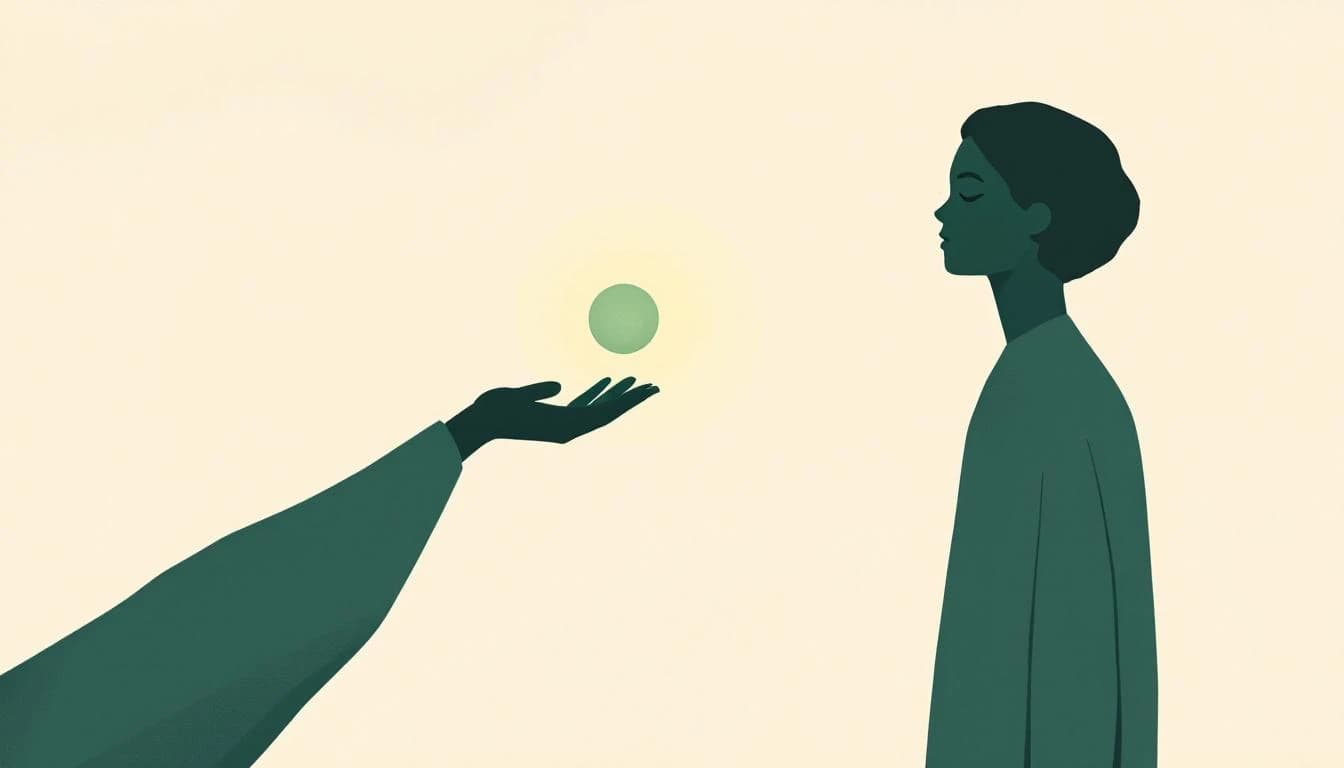
There When You Need It
Why Myndo is built for 2am, between meetings, and five minutes before
March 4, 2026
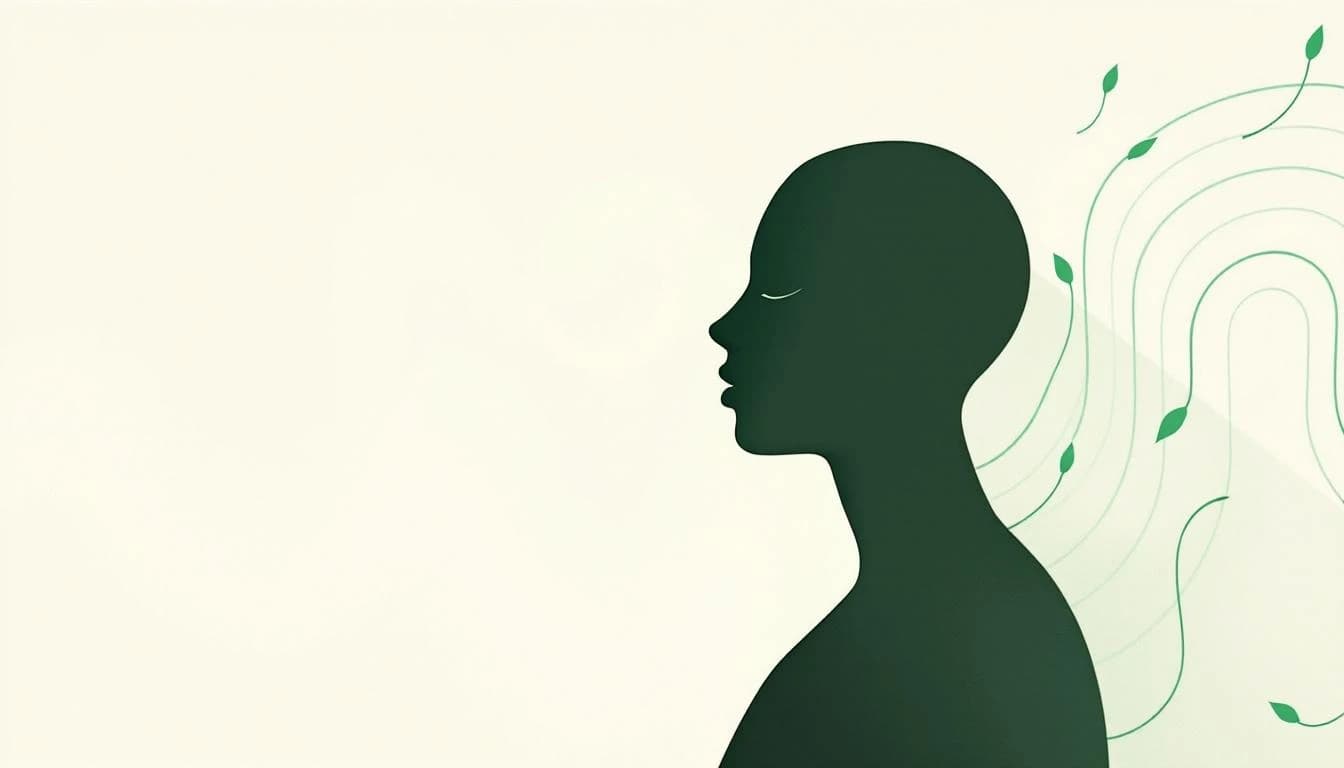
The Power of Deep Listening
Why voice changes everything about how you process what's on your mind
January 14, 2026

Going Deeper with Myndo
What changes after your first few sessions
April 2, 2026